SCPG-013: The Memory Keeper's Locket
Object Class: Safe
Special Containment Procedures: SCPG-013 is stored in a standard secure containment locker at Site-19. The object requires no specialized environmental conditions or security measures beyond standard protocols for Safe-class artifacts. Access for testing purposes requires Level 2 authorization and the presence of at least one psychological counselor during any experiments involving human subjects.
Personnel using SCPG-013 for approved research must undergo psychological evaluation before and after exposure. Use of SCPG-013 for personal purposes is strictly prohibited, though therapeutic applications are being considered following successful preliminary trials.
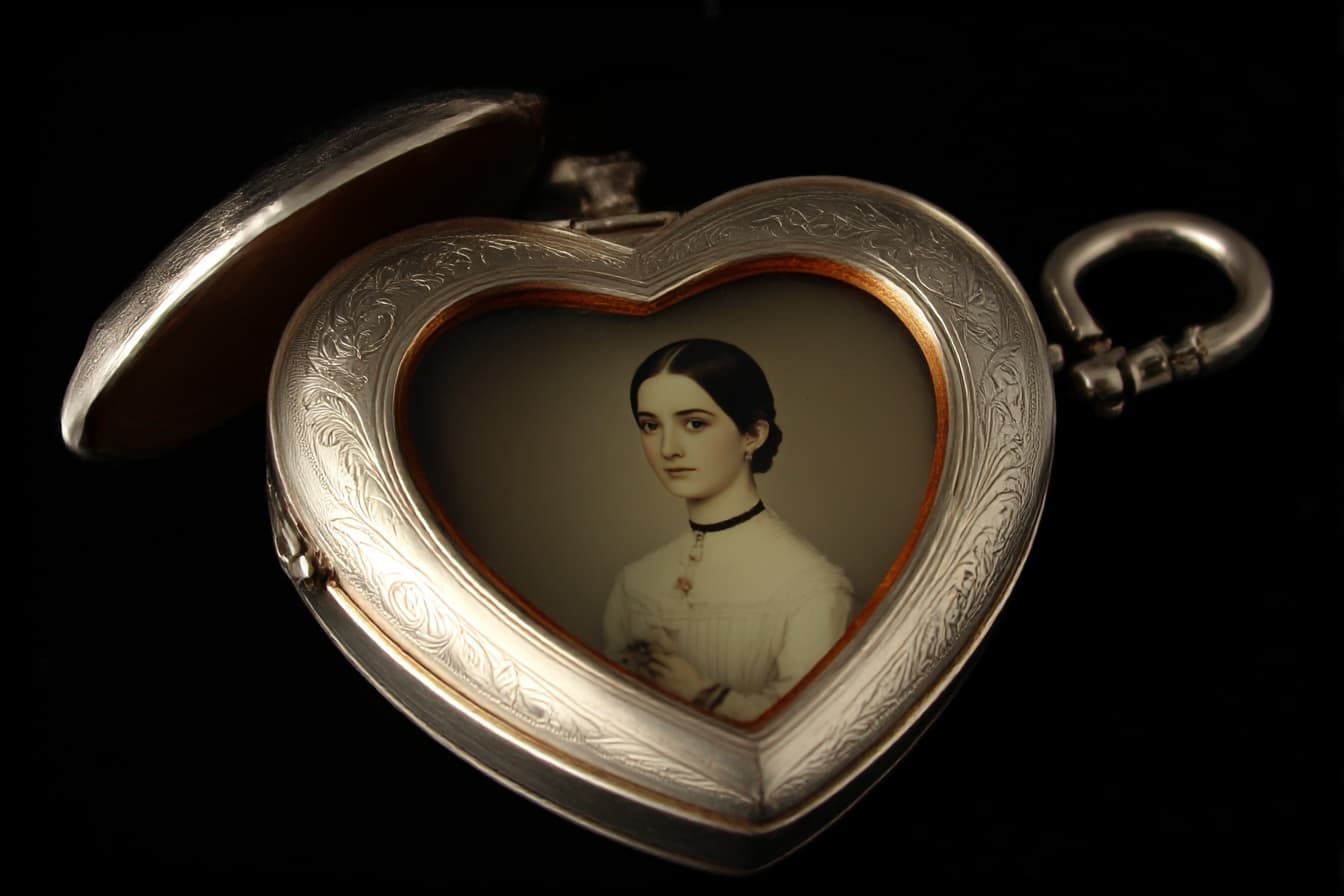
Description: SCPG-013 is a silver heart-shaped locket measuring 3.2 cm in height and 2.8 cm in width. The exterior bears intricate floral engravings consistent with Victorian-era jewelry craftsmanship, circa 1870-1890. The locket contains a small daguerreotype photograph of an unidentified woman in period dress, approximately 25-30 years of age.
When worn around the neck by a human subject, SCPG-013 exhibits its primary anomalous property: the ability to temporarily restore access to forgotten or suppressed memories. Subjects report vivid recollection of events, conversations, and sensory experiences from their past that they had previously been unable to recall. The effect appears to be selective, typically focusing on emotionally significant moments rather than mundane details.
The phenomenon occurs gradually over 15-30 minutes after initial contact and persists for 2-6 hours depending on the subject's emotional state and personal history. Subjects describe the experience as "gentle" and "natural," comparable to the spontaneous return of childhood memories triggered by familiar scents or sounds.
Addendum 008-1: Discovery SCPG-013 was recovered from the estate sale of Eleanor Whitmore, an elderly resident of Salem, Massachusetts, following her death in 20██. Ms. Whitmore's granddaughter contacted local authorities after discovering a journal detailing "impossible memories" that her grandmother claimed to have recovered through the locket.
Foundation agents investigating reports of potential anomalous activity confirmed SCPG-013's properties during initial assessment. Ms. Whitmore's journal contained detailed accounts of childhood experiences from the 1930s that family members had previously been unable to verify, but which were later corroborated through historical records and surviving family photographs.
The locket was acquired under standard artifact procurement protocols, with appropriate compensation provided to the family and cover story regarding its "historical significance" to a private collector established.
Addendum 008-2: Testing Log - Dr. Sarah Martinez
Test 008-A
Subject: D-4892, 34-year-old male with documented childhood trauma
Duration: 3 hours, 47 minutes
Results: Subject recovered memories of his grandmother, who had cared for him before her death when he was seven years old. Subject exhibited emotional distress initially but reported feeling "peaceful" and "grateful" by the end of the session. Psychological evaluation showed temporary improvement in depressive symptoms.
Test 008-B
Subject: Dr. Jennifer Walsh (volunteer researcher), 41-year-old female
Duration: 2 hours, 15 minutes
Results: Subject recalled detailed conversations with her deceased father about his experiences in Vietnam, which she had forgotten due to childhood suppression of traumatic content. Subject reported closure regarding unresolved grief. No adverse psychological effects observed.
Test 008-C
Subject: Agent Michael Torres (volunteer), 28-year-old male
Duration: 4 hours, 32 minutes
Results: Subject recovered memories of a childhood friend who had moved away when he was eight. Remembered friend's full name, address, and specific conversations. Foundation researchers were able to verify the friend's existence through school records. Subject reported renewed sense of childhood wonder and desire to reconnect with old friends.
Addendum 008-3: Psychological Analysis - Dr. Helen Rodriguez
SCPG-013 appears to function as a therapeutic tool rather than a cognitive hazard. Unlike other memory-affecting anomalies in Foundation custody, SCPG-013 does not implant false memories, alter existing ones, or cause psychological trauma. The memories recovered are consistently genuine and can be verified through external sources when possible.
The mechanism by which SCPG-013 operates remains unknown, but brain scans of subjects during exposure show increased activity in the hippocampus and temporal lobes—regions associated with memory formation and retrieval. No permanent changes to brain structure or chemistry have been observed.
Subjects universally report positive experiences, even when recovered memories involve difficult or painful events. The locket appears to provide emotional context and processing capability alongside memory recovery, allowing subjects to integrate previously suppressed experiences in a healthy manner.
Addendum 008-4: Historical Research - Dr. Marcus Thompson
Investigation into SCPG-013's origins revealed it belonged to Catherine Hartwell, who lived in Salem from 1847 to 1891. Mrs. Hartwell was known locally as a "memory keeper"—individuals would visit her when they wished to remember deceased loved ones or forgotten aspects of their past.
Contemporary accounts describe Mrs. Hartwell as possessing an unusual ability to help people recall lost memories through what witnesses described as "gentle questioning" and "the touch of her silver heart." The locket was reportedly given to her by her husband before his death in the Civil War, and she began demonstrating her unusual gift shortly after receiving news of his death at Gettysburg.
Local newspaper archives contain several testimonials from individuals who claimed Mrs. Hartwell helped them remember final conversations with dying relatives, childhood experiences with deceased parents, and other emotionally significant but forgotten moments. No reports of adverse effects were found in historical records.
Addendum 008-5: Therapeutic Application Proposal
Dr. Rodriguez has submitted a formal proposal to use SCPG-013 in controlled therapeutic settings for Foundation personnel suffering from trauma-related memory suppression. Preliminary data suggests the artifact could be valuable in treating PTSD, childhood trauma, and grief-related psychological disorders.
The proposal includes strict protocols for patient selection, supervised sessions, and long-term psychological monitoring. Given SCPG-013's consistent safety record and beneficial effects, the Ethics Committee has approved limited trials with volunteer subjects.
Personal Note - Site Director Amanda Cross:
SCPG-013 represents something rare in our work—an anomaly that seems designed to heal rather than harm. After thirty years with the Foundation, I've seen enough horrors to last several lifetimes. It's remarkably refreshing to encounter something that reminds us why we do this work: to protect not just humanity's existence, but its capacity for love, memory, and connection.
Mrs. Hartwell's locket doesn't just restore memories—it restores the human experience in its fullest form. In a world where we routinely use amnestics to erase trauma and memory, perhaps we need reminders of what we're protecting: the beautiful complexity of human consciousness, including its capacity to find meaning in both joy and sorrow.
Current Status: SCPG-013 remains in standard containment with ongoing therapeutic trials approved for Foundation personnel. Dr. Rodriguez continues to document long-term effects on subjects, all of whom report sustained psychological benefits months after exposure.
The locket has become an unusual beacon of hope within Site-19, reminding staff that not all anomalies represent threats to be neutralized. Sometimes, they represent gifts to be carefully treasured.